How to Read a Supplement Label Properly
A line-by-line walk through a Supplement Facts panel, using a real one. The label is usually more honest than the website selling it, and it takes about ninety seconds to check.
Why the JellyFil Label Beats the JellyFil Website
Here is the most useful habit in this entire category: read the label before you read the sales page.
A sales page is marketing. A Supplement Facts panel is a regulated disclosure with rules about what must appear and how. When the two disagree — and they disagree more often than you would expect — the panel is the one to trust.
This product is a good worked example. Its label declares nine ingredients; its website names six; only three appear on both. Its label declares caffeine; its website says the formula works without stimulants. Its label declares 3 g of added sugar; its website never mentions sugar. None of that is discoverable from the marketing.
Reading a JellyFil-Style Panel, Line by Line
Serving size and servings per container
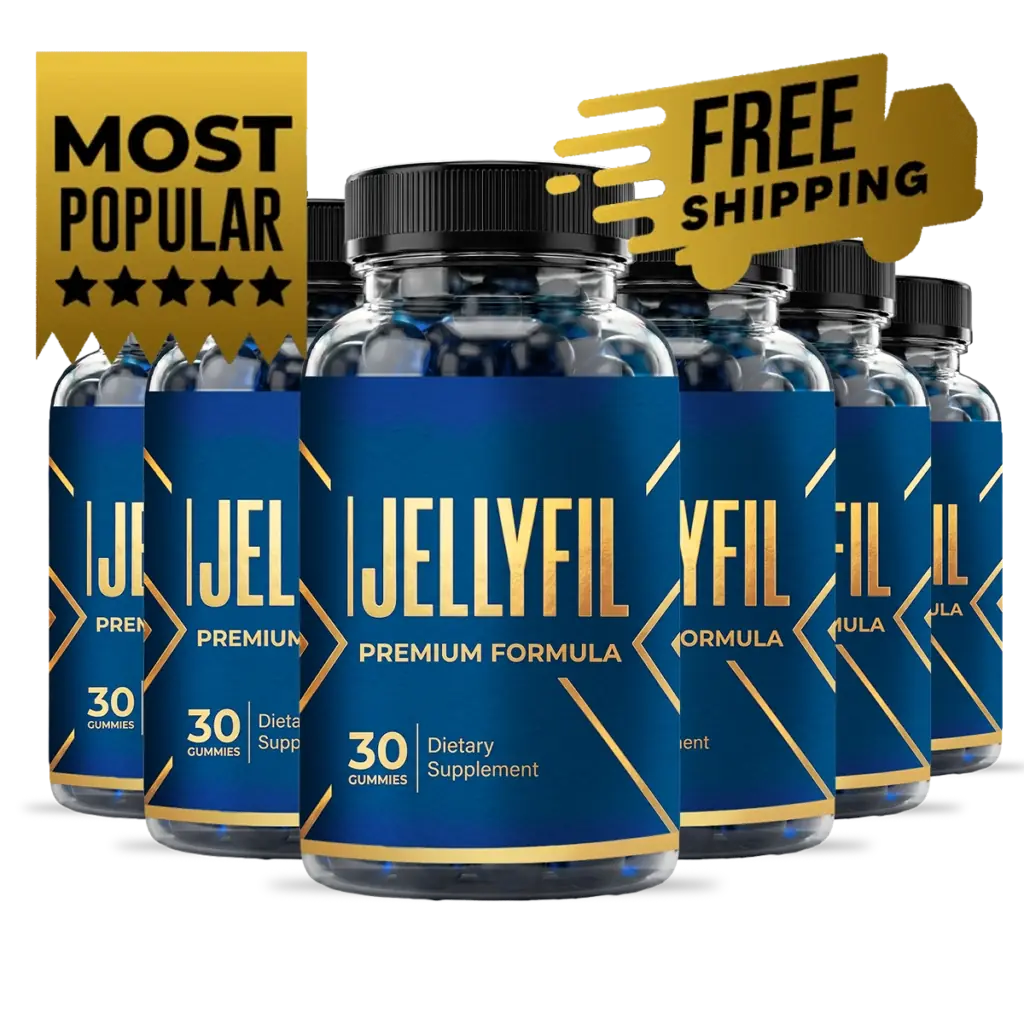
Start here, because everything else on the panel is expressed per serving. “Serving Size: 1 Gummy, Servings Per Container: 30” tells you a bottle is thirty days at one a day. If the serving were two gummies, the same bottle would be fifteen days — and the per-bottle price would mean something quite different.
This is the most common place buyers misjudge value.
Calories, carbohydrate and sugar
Usually skipped, and for gummies it should not be. Added sugar is declared with a percentage daily value. Three grams per gummy is modest in isolation and adds up over a six-month supply.
Vitamins and minerals
Listed with amounts and daily values. Their absence is informative too: if a page credits B vitamins and magnesium with an effect and the panel lists neither, the claim has nothing behind it.
The blend line
The heart of the panel. Look for whether ingredients are listed individually with amounts, or grouped under a single blend weight. Individual amounts are far better. Where there is a blend, note that ingredients appear in descending order by weight.
The dagger symbols
† usually means “Daily Value not established” — ordinary for botanicals, since no official daily requirement exists for them. A double dagger often marks an explanatory note such as extract equivalence.
Other ingredients
Everything not in the panel proper. Sweeteners, gelling agents, acids, flavours, colours. Read this line before believing any “natural” claim.
Suggested use and warnings
The dose, and who should not take it. Supplement warnings are usually generic — pregnancy, medication, medical conditions — but they are the manufacturer's own statement of caution.
Manufacturer and distributor
A name and address must appear. “Distributed by” means the company sells but did not necessarily make it, which is normal. What matters is that a real entity is identifiable if you need a refund.
The FDA disclaimer
Present on essentially every supplement. Its presence is not a warning sign; its absence would be.
The Ninety-Second JellyFil Label Check
Serving size and servings per container. Individual amounts or a blend? Standardisation stated? How do the amounts compare with the research? What is in the other-ingredients line? And does any of it contradict the sales page?
That last question is the one most people never ask, and it is frequently the most revealing.
JellyFil is not stimulant-free: the label declares caffeine
This is the most important thing on this website, and it is not a matter of interpretation. It is a direct conflict between the seller's marketing and the product's own Supplement Facts panel.
The sales page says the formula works “without stimulants or harsh chemicals”, “without the downsides of stimulants”, and “rather than relying on temporary stimulants”.
The product label declares Caffeine (5 mg) inside the proprietary blend — and also Green Tea Extract, which contains caffeine of its own that is not counted separately. The formula contains stimulants.
Is 5 mg a lot? No. A cup of coffee holds roughly 80–100 mg, so 5 mg is a very small amount and is unlikely to affect most people. The problem is not the dose, it is the disclosure: someone avoiding caffeine cannot rely on a marketing claim that the product's own label contradicts.
Who should care: anyone advised to avoid caffeine for a heart rhythm problem, anxiety or pregnancy; anyone highly sensitive to it; and anyone tracking total daily intake. Because green tea extract's caffeine content is not stated, the true total per gummy is not knowable from the label.
If you are avoiding stimulants, treat this product as containing them and speak to a pharmacist before use.
Where This Leaves JellyFil
Everything above applies to any daily supplement. Applied to this one, the useful starting points are the ingredients page, which sets out the two conflicting lists, how it works, and the FAQ. The pricing page covers packages and the guarantee window.
More From the JellyFil Blog
Considering JellyFil?
Read the ingredients page first. The product label and the seller's website describe two different formulas, only three ingredients appear on both, and the label declares caffeine in a product advertised as stimulant-free. Those are the facts that should shape the decision.
From $49 per bottle · 60-day money-back guarantee · One gummy a day