Maca Root
Lepidium meyenii Share of an 82 mg blendOn both lists, and the one ingredient with genuinely interesting human research — for an effect that has nothing to do with hormones.
Read moreTwelve pages, one per ingredient across both conflicting lists — what each is, what the research found, how much the studies used, and which source actually lists it.
Each page follows the same structure: what the ingredient is, what published research has found, what its presence here means, and the safety points worth knowing.
Every page also states the amounts used in research, because that is the comparison the seller's material cannot support: the entire active blend is 82 mg shared between nine ingredients, and the split is not disclosed.
Each page is tagged by source. Label + website means the ingredient appears on both. Label only means it is declared on the bottle but never mentioned on the sales page. Website only means it is promoted on the sales page but does not appear on the Supplement Facts panel at all.
Sorted honestly by evidence, they fall into tiers. Strongest: ashwagandha, which has real randomised human trials behind it, and maca, which has genuine libido research — notably without hormonal change. Mechanistically real but dose-dependent: L-arginine, green tea and caffeine, all studied at amounts far above anything possible here. Traditional with thin human evidence: muira puama, catuaba and horny goat weed. And one clear negative: tribulus terrestris, repeatedly shown not to raise testosterone.
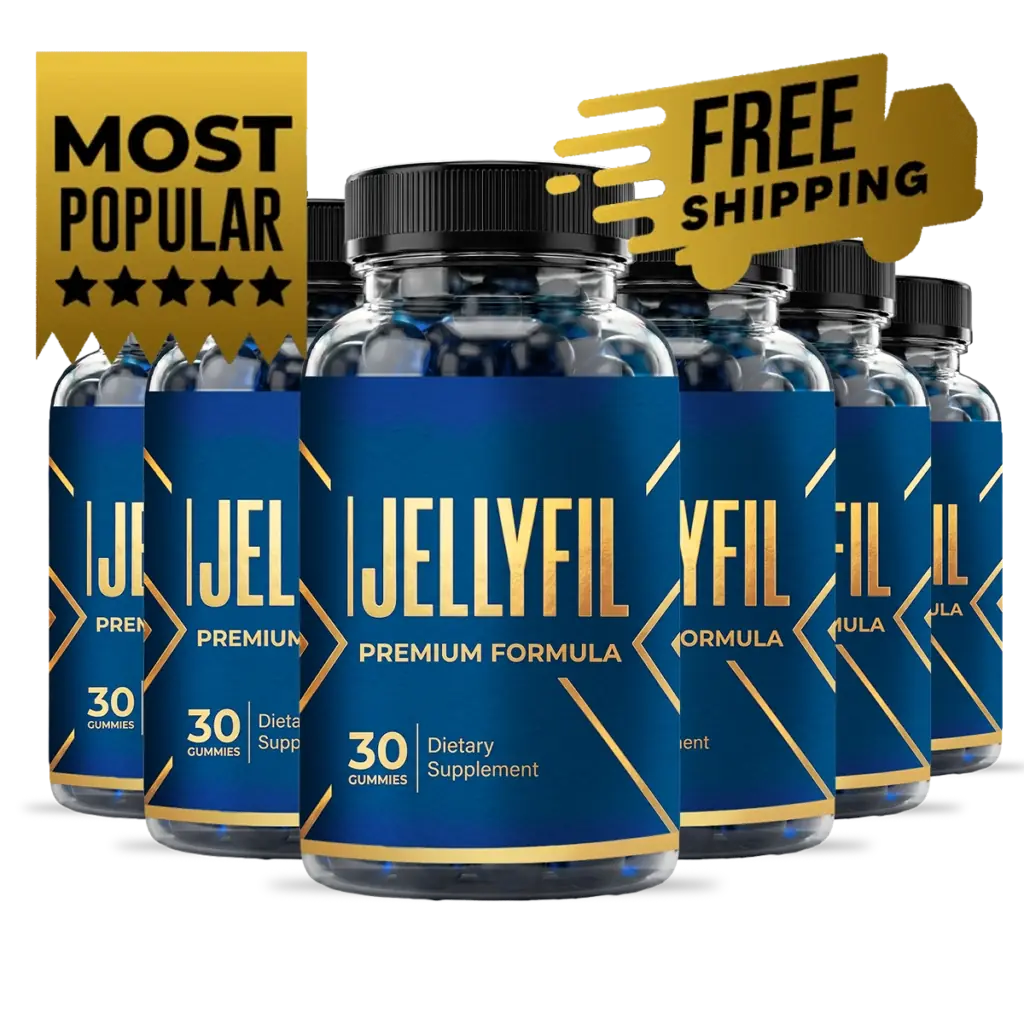
The supplied product photography includes the bottle label with its full Supplement Facts panel. Set beside the sales page, the two do not describe the same formula.
Only three ingredients appear on both lists. Three of the six the sales page describes in detail — Tongkat Ali, Panax Ginseng and Saw Palmetto — are absent from the label entirely, while six the label declares are absent from the sales page.
Which one is the product? The Supplement Facts panel is the legally required declaration of what is in the bottle, so it is the document to trust. But the only honest answer is that a buyer cannot tell from published material, and that is a fair question to put to the seller before ordering.
One observation offered as an observation only: the two lists together contain exactly twelve distinct ingredients, and the sales page opens by claiming “12 potent natural ingredients”. The seller never presents them as a single list, so whether that is the explanation is not something this site can establish.
Unusually for this category, no estimate is needed here. The figure is printed on the Supplement Facts panel.
Proprietary Blend: 82 mg. That single number covers muira puama, maca, catuaba, green tea, caffeine, ashwagandha, L-arginine, tribulus and horny goat weed. Caffeine accounts for 5 mg of it, leaving roughly 77 mg shared between eight botanicals — about 10 mg each if divided evenly.
Because it is a proprietary blend, the split is not disclosed. One ingredient could be almost all of the 82 mg and the rest present in trace amounts.
The label's own counter-argument, and why it does not close the gap. The panel adds that 82 mg is “equivalent to approximately 567 mg of dry powders”, meaning concentrated extracts were used. Take that at face value and the even split becomes roughly 63 mg per ingredient — still far below every figure in the right-hand column. L-arginine in particular is studied in grams, and dry-powder equivalence is not the same thing as the standardised extract a trial used.
The honest conclusion: this is a very small amount of active material spread thinly. That is a structural feature of gummies rather than a scandal — a gummy is mostly sugar and pectin, and there is little room for anything else — but it is the fact that matters most when judging whether the formula can do what the page says.
Three on both lists, six on the label only, three on the website only.
On both lists, and the one ingredient with genuinely interesting human research — for an effect that has nothing to do with hormones.
Read moreOn both lists, and the best-evidenced ingredient here — studied at roughly thirty times the entire blend.
Read moreOn both lists, and the clearest case where the marketing claim and the trial evidence point in opposite directions.
Read moreDeclared on the label at 5 mg — in a formula the sales page describes as working without stimulants.
Read moreOn the label but absent from the sales page ingredient list, and a second source of caffeine in a supposedly stimulant-free product.
Read moreCredited by name in the sales page benefits, absent from its ingredient list, and present on the label at a fraction of any studied amount.
Read moreThe first ingredient on the label’s blend, and one the sales page never mentions at all.
Read moreOn the label, absent from the sales page, and carrying the thinnest human evidence of anything in the formula.
Read moreOn the label, absent from the sales page, and the ingredient whose active compound has a genuine drug-interaction question attached.
Read moreDescribed first and at length on the sales page — and not declared on the product label at all.
Read moreGiven a full entry on the sales page, with no corresponding line anywhere on the label.
Read moreDescribed on the sales page with a prostate-health claim, and absent from the label’s declared blend.
Read moreA named ingredient list is better than nothing, and the label provides one. But a proprietary blend means the individual amounts stay hidden: one ingredient could be almost the entire 82 mg and the rest present in trace quantities.
The research summarised across these twelve pages used specific amounts — 300–600 mg of ashwagandha, 1.5–3 g of maca, 3–6 g of L-arginine, 750–1,500 mg of tribulus. Added together those run to several grams a day, against a blend of 82 mg.
That is not a hidden defect. It is printed on the label, and it follows from the gummy format.
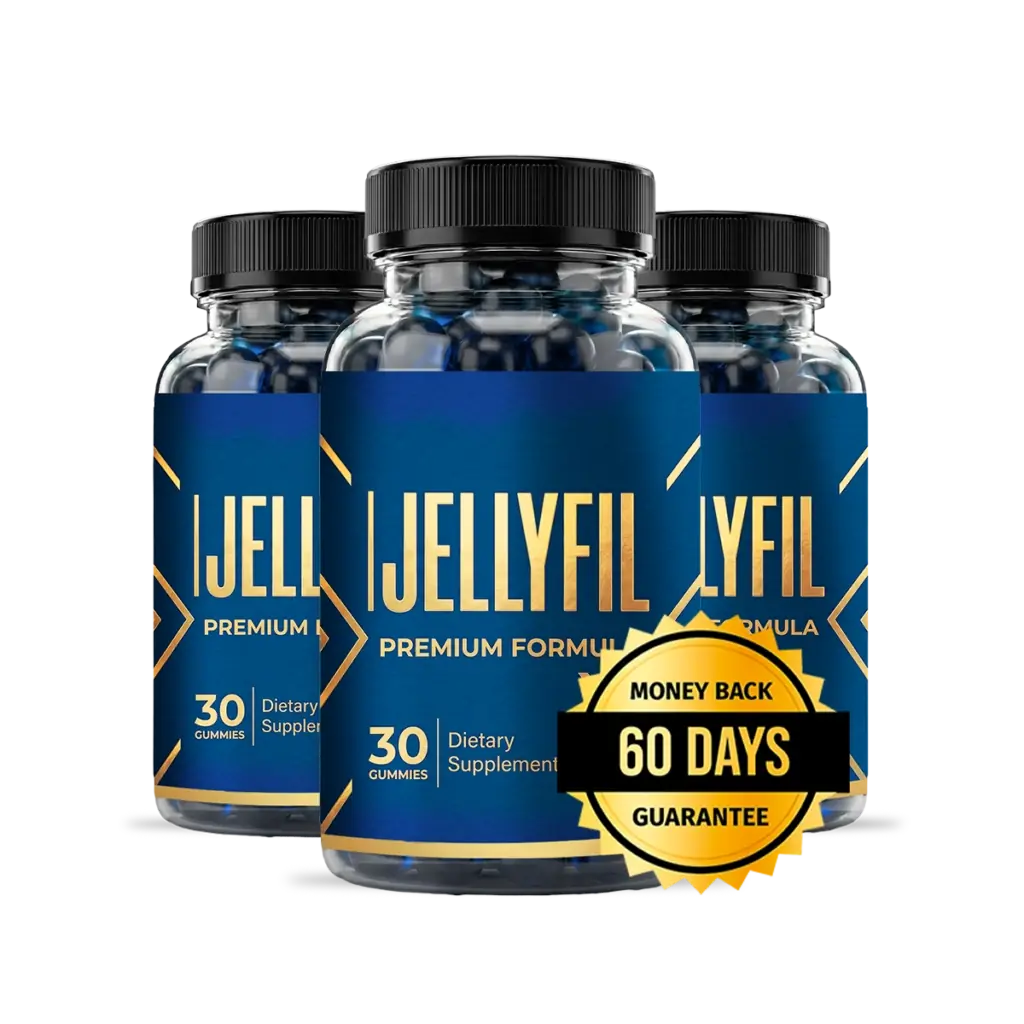
The seller states a 60-day money-back guarantee on every order, describing it as a full refund with no questions asked. That is a reasonable window and the clearest commercial commitment on the page.
Only the two-bottle package is a 60-day supply and matches the guarantee exactly. The three-bottle package runs 90 days and the six-bottle package 180 days — three times longer than the refund window.
The seller also states that the ingredients “work best when taken consistently over time”, which is used to recommend the six-bottle package. Those two statements pull against each other: you are encouraged to buy six months and told results need time, while the right to a refund expires after two.
If you buy three or six bottles, put day 60 in your calendar and make the decision then. Two things the published terms do not settle: who pays return postage, and whether opened bottles are accepted.
Keep your order confirmation and note the deadline the day you order.
Read the ingredients page first. The product label and the seller's website describe two different formulas, only three ingredients appear on both, and the label declares caffeine in a product advertised as stimulant-free. Those are the facts that should shape the decision.
From $49 per bottle · 60-day money-back guarantee · One gummy a day