Maca Root
Lepidium meyenii Share of an 82 mg blendOn both lists, and the one ingredient with genuinely interesting human research — for an effect that has nothing to do with hormones.
Full pageTwelve ingredients across two sources that do not match — nine on the product label, six on the sales page, and only three on both. Each has a full page here.
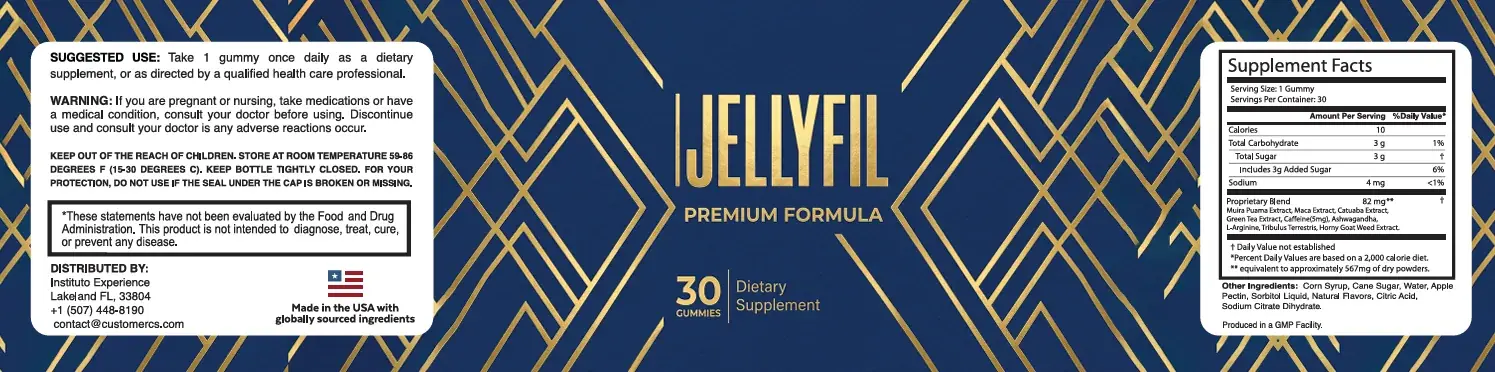
The Supplement Facts panel is the legally required declaration of what is in the bottle, which makes it the document to trust when the two sources disagree.
Worth reading in full before you decide, because it is the crux of the product.
The supplied product photography includes the bottle label with its full Supplement Facts panel. Set beside the sales page, the two do not describe the same formula.
Only three ingredients appear on both lists. Three of the six the sales page describes in detail — Tongkat Ali, Panax Ginseng and Saw Palmetto — are absent from the label entirely, while six the label declares are absent from the sales page.
Which one is the product? The Supplement Facts panel is the legally required declaration of what is in the bottle, so it is the document to trust. But the only honest answer is that a buyer cannot tell from published material, and that is a fair question to put to the seller before ordering.
One observation offered as an observation only: the two lists together contain exactly twelve distinct ingredients, and the sales page opens by claiming “12 potent natural ingredients”. The seller never presents them as a single list, so whether that is the explanation is not something this site can establish.
Unusually for this category, no estimate is needed here. The figure is printed on the Supplement Facts panel.
Proprietary Blend: 82 mg. That single number covers muira puama, maca, catuaba, green tea, caffeine, ashwagandha, L-arginine, tribulus and horny goat weed. Caffeine accounts for 5 mg of it, leaving roughly 77 mg shared between eight botanicals — about 10 mg each if divided evenly.
Because it is a proprietary blend, the split is not disclosed. One ingredient could be almost all of the 82 mg and the rest present in trace amounts.
The label's own counter-argument, and why it does not close the gap. The panel adds that 82 mg is “equivalent to approximately 567 mg of dry powders”, meaning concentrated extracts were used. Take that at face value and the even split becomes roughly 63 mg per ingredient — still far below every figure in the right-hand column. L-arginine in particular is studied in grams, and dry-powder equivalence is not the same thing as the standardised extract a trial used.
The honest conclusion: this is a very small amount of active material spread thinly. That is a structural feature of gummies rather than a scandal — a gummy is mostly sugar and pectin, and there is little room for anything else — but it is the fact that matters most when judging whether the formula can do what the page says.
Three appear on both lists, six on the label only, and three on the website only.
On both lists, and the one ingredient with genuinely interesting human research — for an effect that has nothing to do with hormones.
Full pageOn both lists, and the best-evidenced ingredient here — studied at roughly thirty times the entire blend.
Full pageOn both lists, and the clearest case where the marketing claim and the trial evidence point in opposite directions.
Full pageDeclared on the label at 5 mg — in a formula the sales page describes as working without stimulants.
Full pageOn the label but absent from the sales page ingredient list, and a second source of caffeine in a supposedly stimulant-free product.
Full pageCredited by name in the sales page benefits, absent from its ingredient list, and present on the label at a fraction of any studied amount.
Full pageThe first ingredient on the label’s blend, and one the sales page never mentions at all.
Full pageOn the label, absent from the sales page, and carrying the thinnest human evidence of anything in the formula.
Full pageOn the label, absent from the sales page, and the ingredient whose active compound has a genuine drug-interaction question attached.
Full pageDescribed first and at length on the sales page — and not declared on the product label at all.
Full pageGiven a full entry on the sales page, with no corresponding line anywhere on the label.
Full pageDescribed on the sales page with a prostate-health claim, and absent from the label’s declared blend.
Full pageIllustrative photography supplied with the product materials.
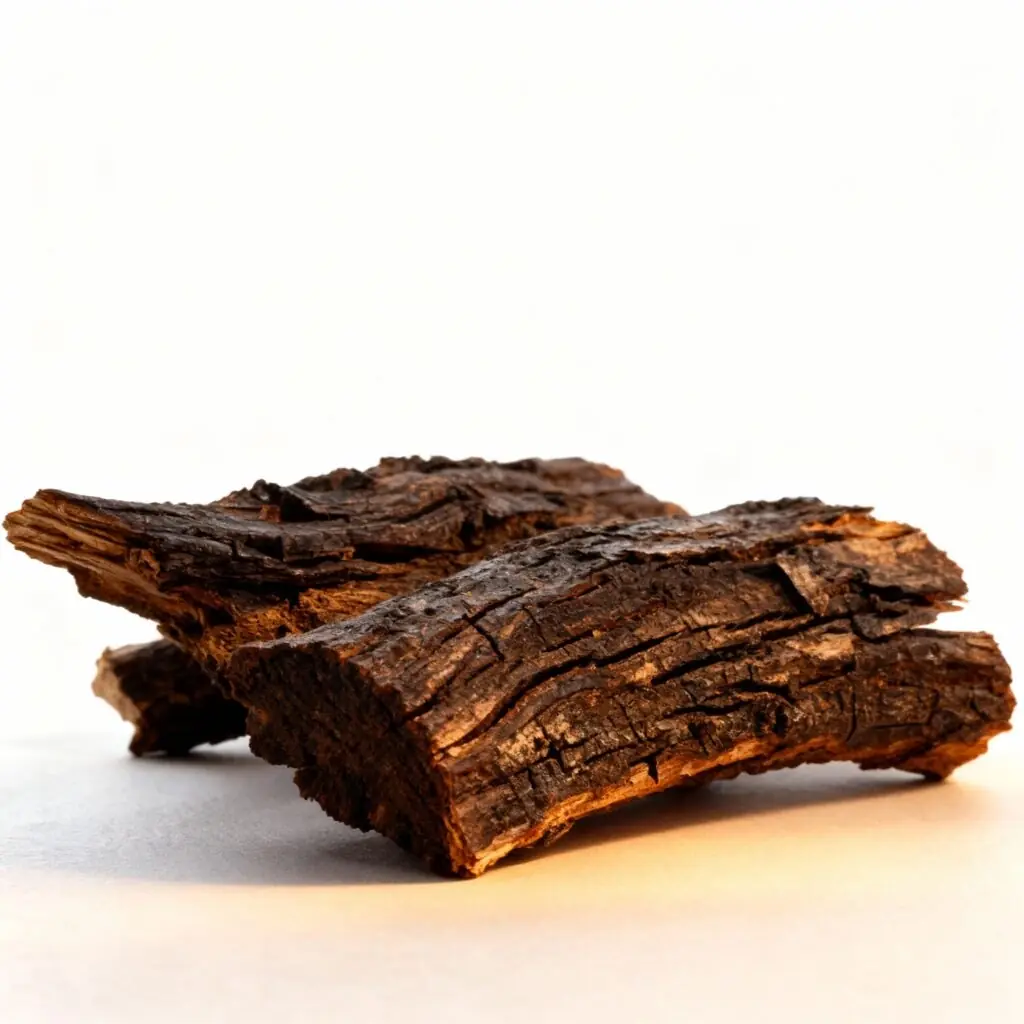
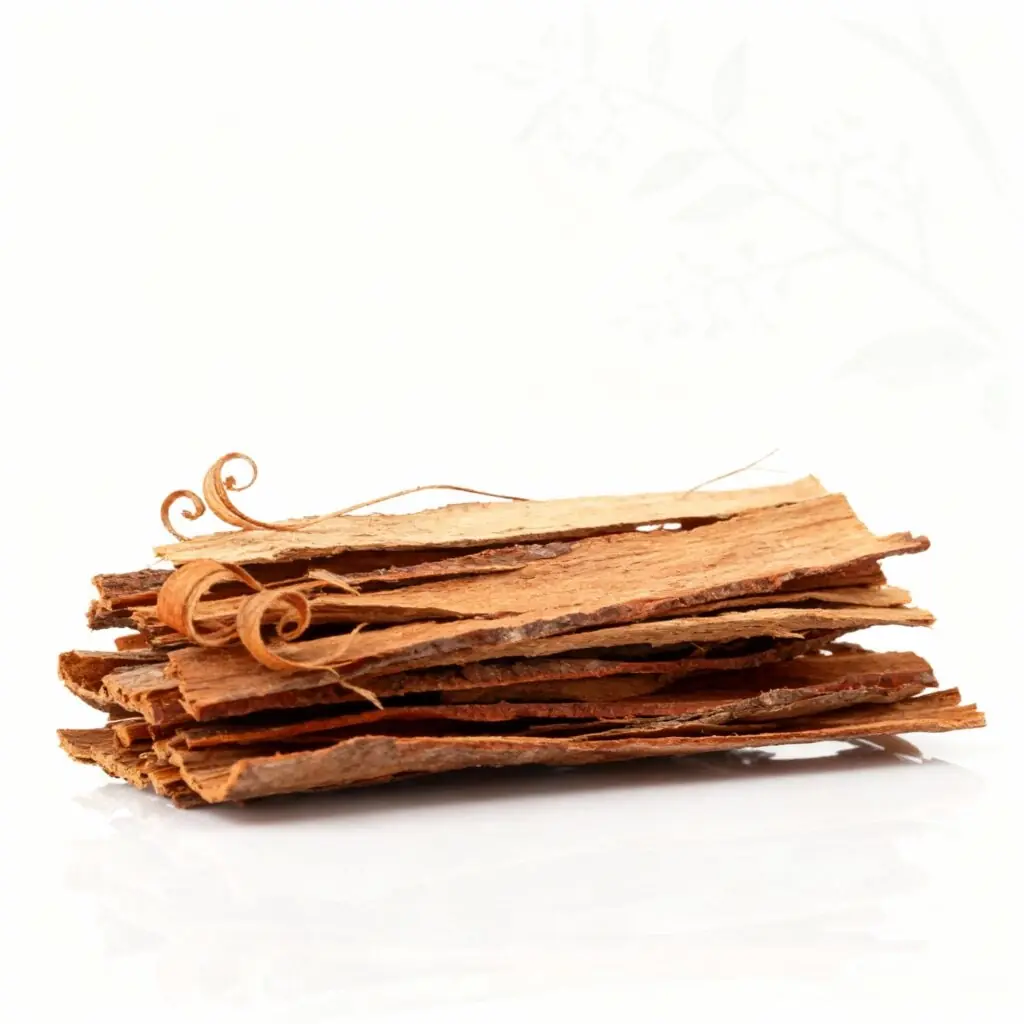
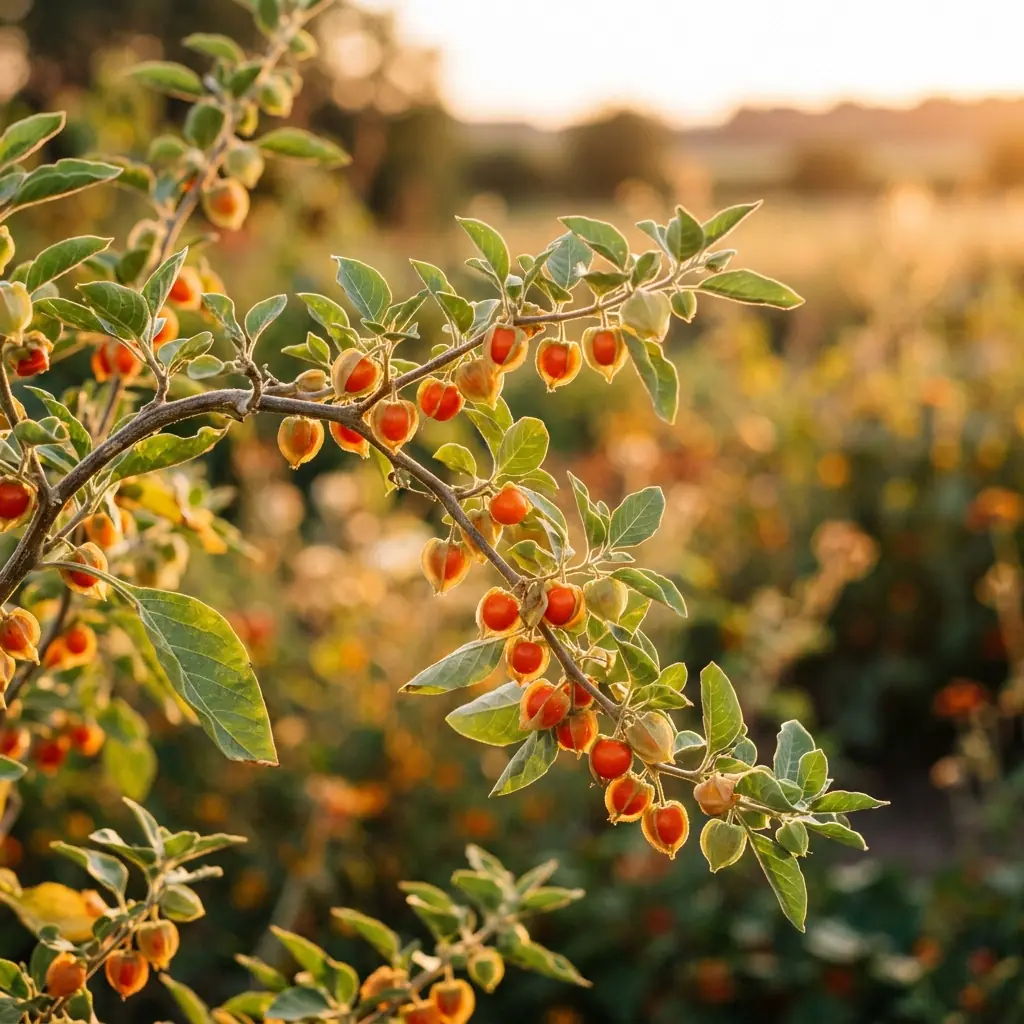
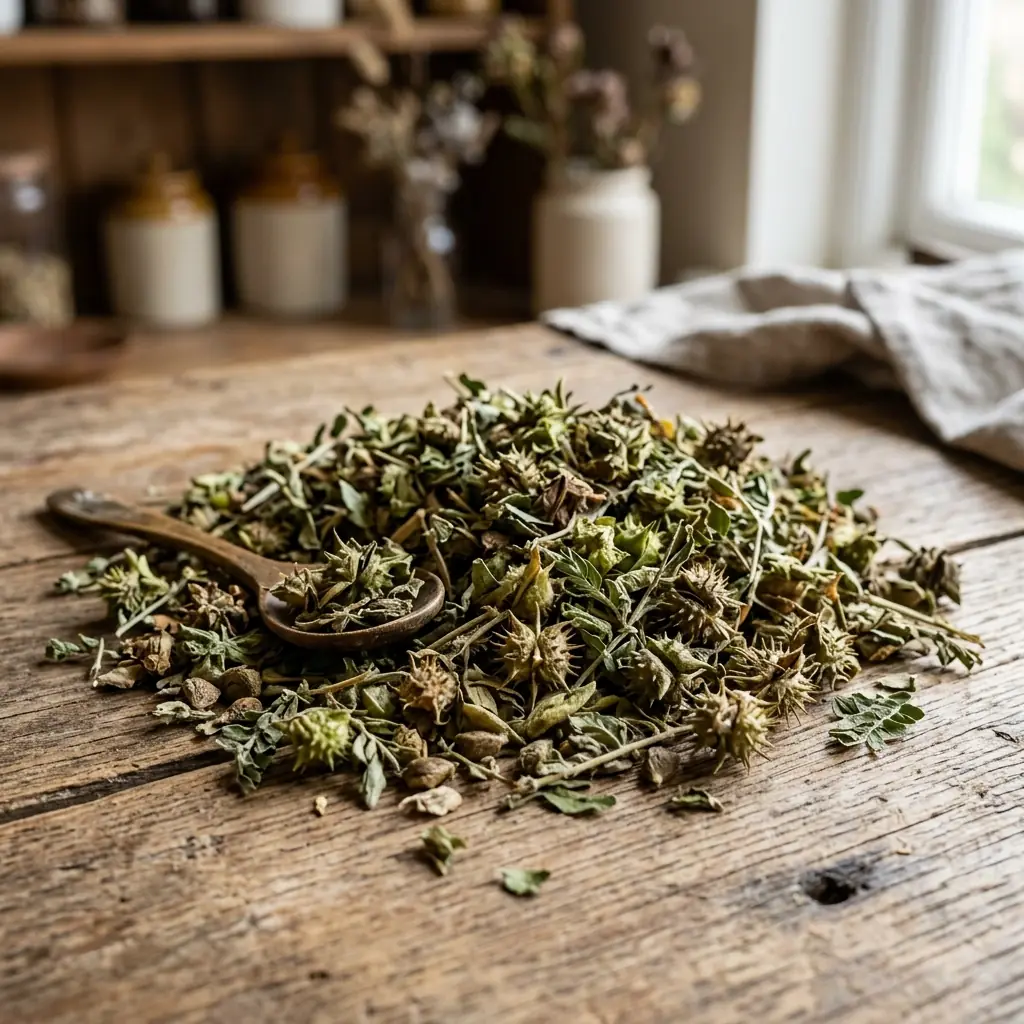
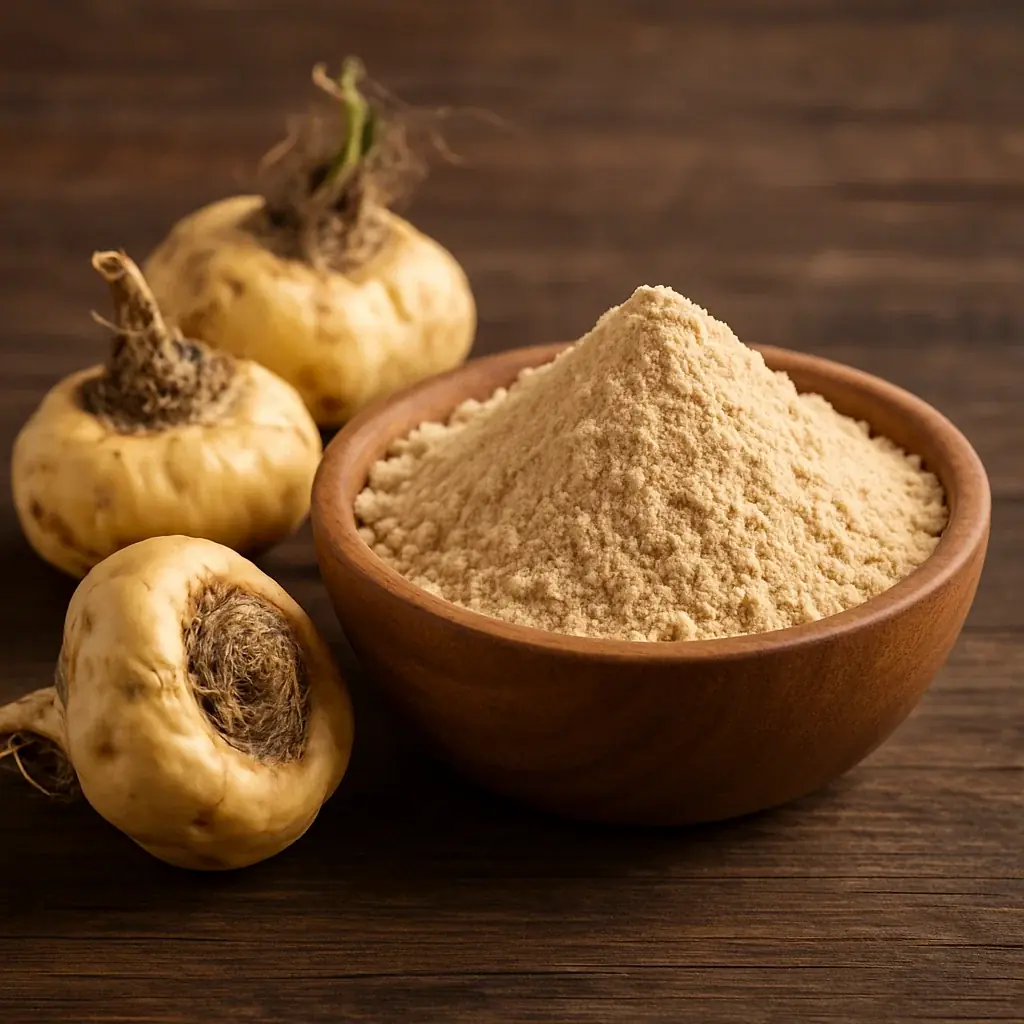
An honest note on these photographs. They were supplied as generic botanical stock imagery without captions identifying which plant is which. Only the maca shot is identifiable with confidence, so none of the others is captioned as a specific extract here. They illustrate the general category of raw material rather than documenting what is in the bottle.
This is the most important thing on this website, and it is not a matter of interpretation. It is a direct conflict between the seller's marketing and the product's own Supplement Facts panel.
The sales page says the formula works “without stimulants or harsh chemicals”, “without the downsides of stimulants”, and “rather than relying on temporary stimulants”.
The product label declares Caffeine (5 mg) inside the proprietary blend — and also Green Tea Extract, which contains caffeine of its own that is not counted separately. The formula contains stimulants.
Is 5 mg a lot? No. A cup of coffee holds roughly 80–100 mg, so 5 mg is a very small amount and is unlikely to affect most people. The problem is not the dose, it is the disclosure: someone avoiding caffeine cannot rely on a marketing claim that the product's own label contradicts.
Who should care: anyone advised to avoid caffeine for a heart rhythm problem, anxiety or pregnancy; anyone highly sensitive to it; and anyone tracking total daily intake. Because green tea extract's caffeine content is not stated, the true total per gummy is not knowable from the label.
If you are avoiding stimulants, treat this product as containing them and speak to a pharmacist before use.
The Supplement Facts panel declares 10 calories, 3 g of total carbohydrate and 3 g of added sugar — 6% of the daily value — per gummy. The first two “other ingredients” are corn syrup and cane sugar.
The seller's website does not mention sugar anywhere.
In context: 3 g is roughly three-quarters of a teaspoon, which is not much on its own. Over a 180-day supply it is about 540 g of added sugar. Whether that matters depends on you, but anyone managing blood sugar, following a low-carb or ketogenic diet, or watching dental health should know it is there — and it is the trade-off that comes with any gummy format.
The label also lists sorbitol liquid. Sugar alcohols can cause digestive upset in some people at higher intakes, though the amount in a single gummy is small.
The label's own warning is the right starting point: if you are pregnant or nursing, take medication, or have a medical condition, consult a doctor before use, and stop if any adverse reaction occurs.
JellyFil is a dietary supplement, not a medicine, and is not intended to diagnose, treat, cure or prevent any disease.
JellyFil is a dietary supplement, not a treatment for any medical condition. It is not a treatment for erectile dysfunction, low testosterone, infertility or prostate disease, and it is not intended to diagnose, treat, cure or prevent any disease.
This matters because the symptoms these products are marketed around often have real, identifiable and treatable causes. Persistent erectile difficulty is a recognised early warning sign of cardiovascular disease — the blood vessels involved are small and are affected first. It can also signal diabetes, low testosterone, thyroid problems, sleep apnoea, depression, or a side effect of medication.
Persistent fatigue likewise has causes worth finding: anaemia, thyroid disease, sleep apnoea, depression, diabetes and vitamin deficiencies among them.
A doctor can test for all of these. A gummy cannot, and buying six months of one instead of getting assessed is the genuinely risky version of this decision.
The three packages the seller lists. Every figure below is theirs, and the arithmetic reconciles on all of them.
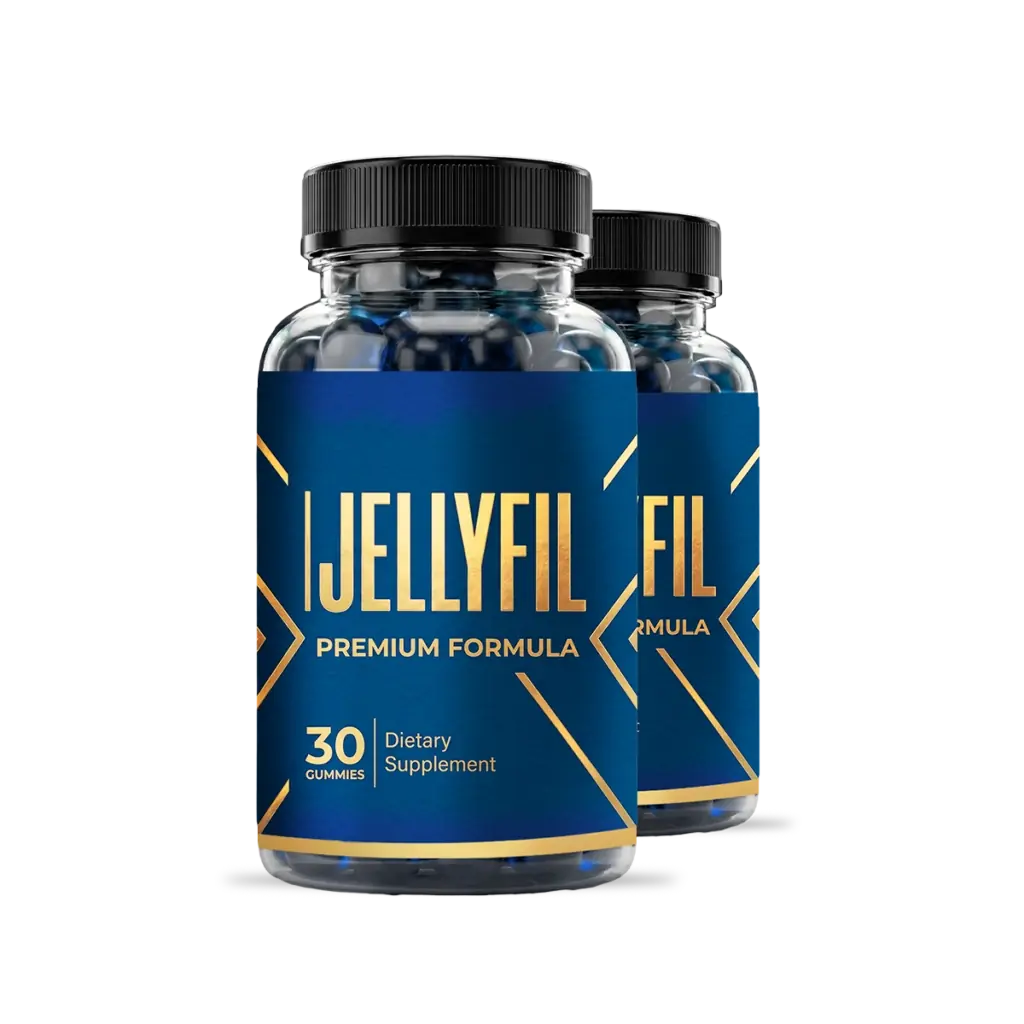
$358 → $158 total
No saving figure stated for this tier
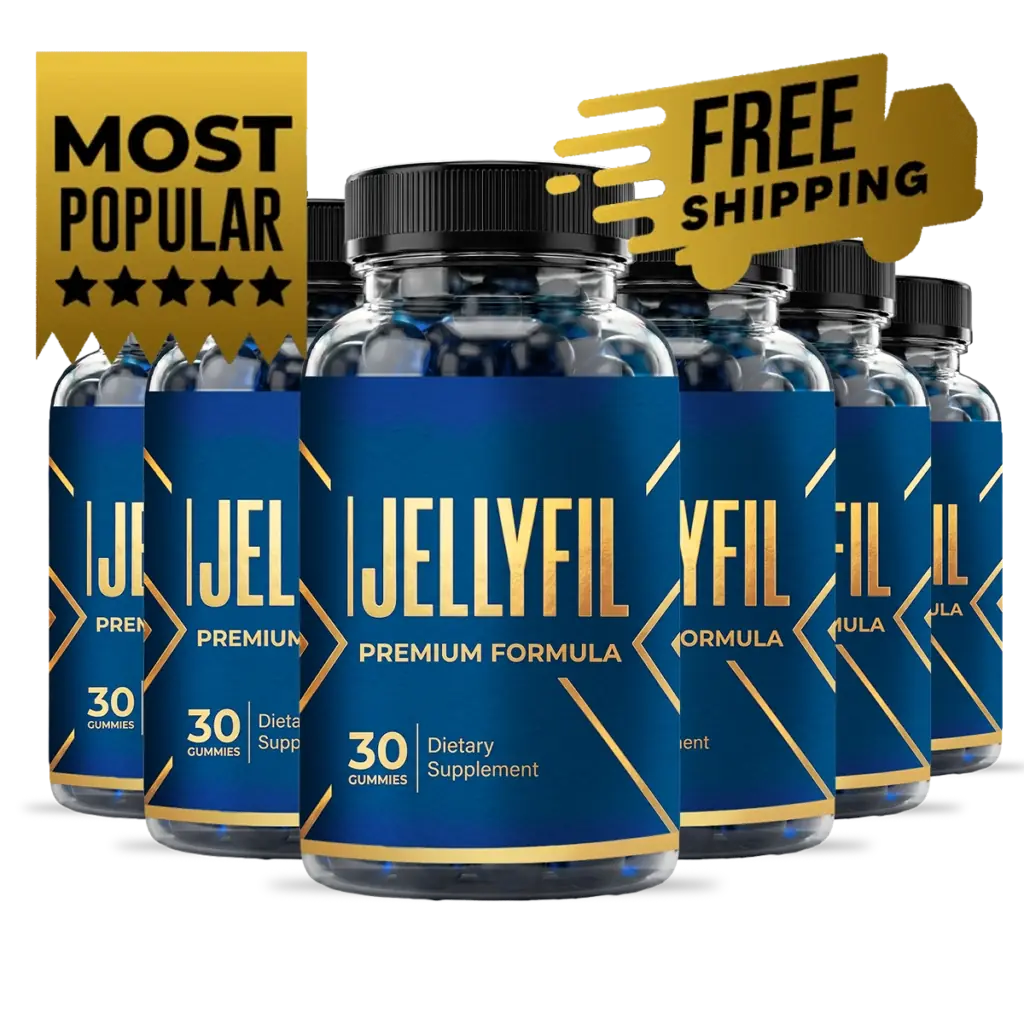
$1074 → $294 total
Seller states a saving of $780
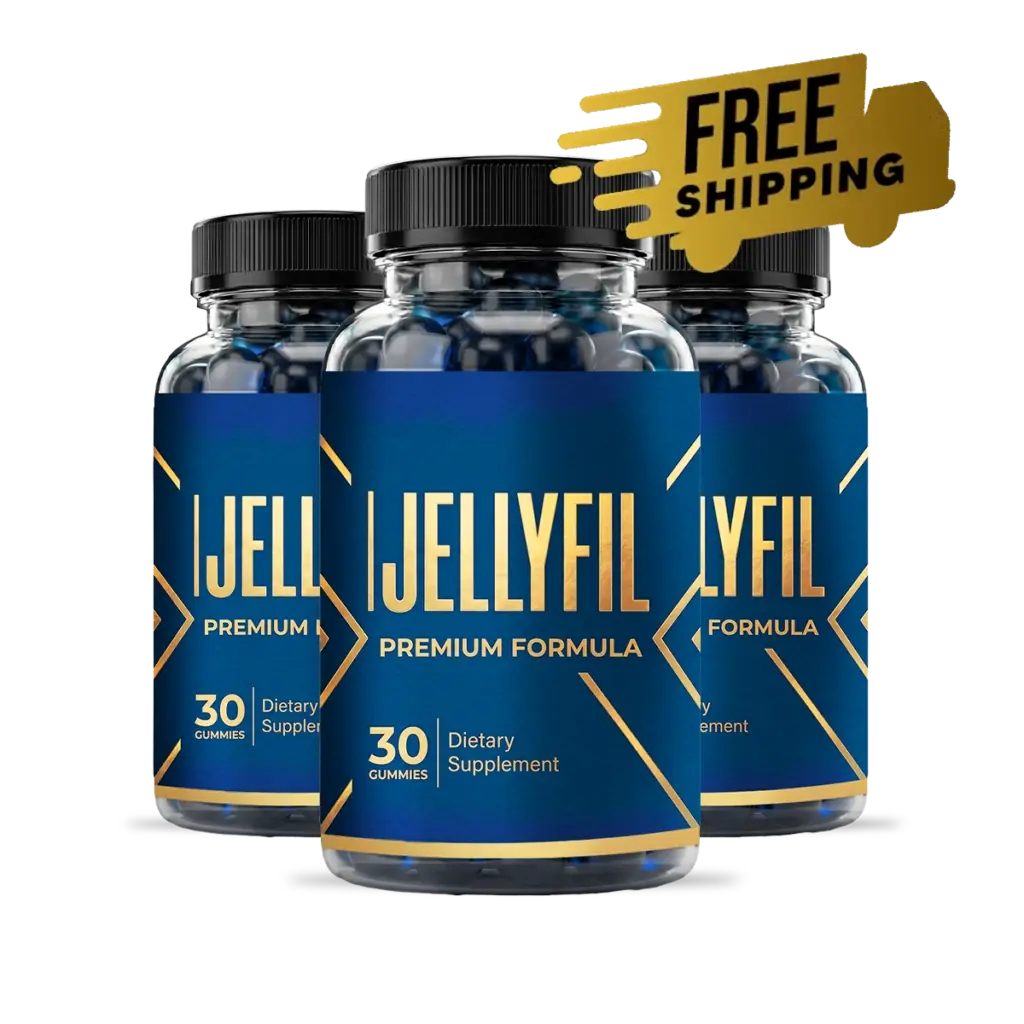
$537 → $207 total
Seller states a saving of $330
Arithmetic verified. $79×2=$158, $69×3=$207 and $49×6=$294. The stated regular price of $179 a bottle agrees with every struck-through total ($179×2=$358, $179×3=$537, $179×6=$1074), and both advertised savings are exact ($537−$207=$330 and $1074−$294=$780). That internal consistency is worth noting. Free shipping applies only to the three- and six-bottle packages — the two-bottle tier carries $9.99 shipping. Note also that the seller's own materials disagree about which package is most popular: the pricing card labels the three-bottle package “Most Popular” while the FAQ says the six-bottle package is, and the six-bottle artwork carries a “Most Popular” flash of its own. No popularity claim is repeated here. These are current listed offers rather than permanent prices; the official checkout is the only authoritative source.
The seller states a 60-day money-back guarantee on every order, describing it as a full refund with no questions asked. That is a reasonable window and the clearest commercial commitment on the page.
Only the two-bottle package is a 60-day supply and matches the guarantee exactly. The three-bottle package runs 90 days and the six-bottle package 180 days — three times longer than the refund window.
The seller also states that the ingredients “work best when taken consistently over time”, which is used to recommend the six-bottle package. Those two statements pull against each other: you are encouraged to buy six months and told results need time, while the right to a refund expires after two.
If you buy three or six bottles, put day 60 in your calendar and make the decision then. Two things the published terms do not settle: who pays return postage, and whether opened bottles are accepted.
Keep your order confirmation and note the deadline the day you order.
Read the ingredients page first. The product label and the seller's website describe two different formulas, only three ingredients appear on both, and the label declares caffeine in a product advertised as stimulant-free. Those are the facts that should shape the decision.
From $49 per bottle · 60-day money-back guarantee · One gummy a day