L-Arginine
Credited in the sales page benefits, missing from its ingredient list, present on the label.
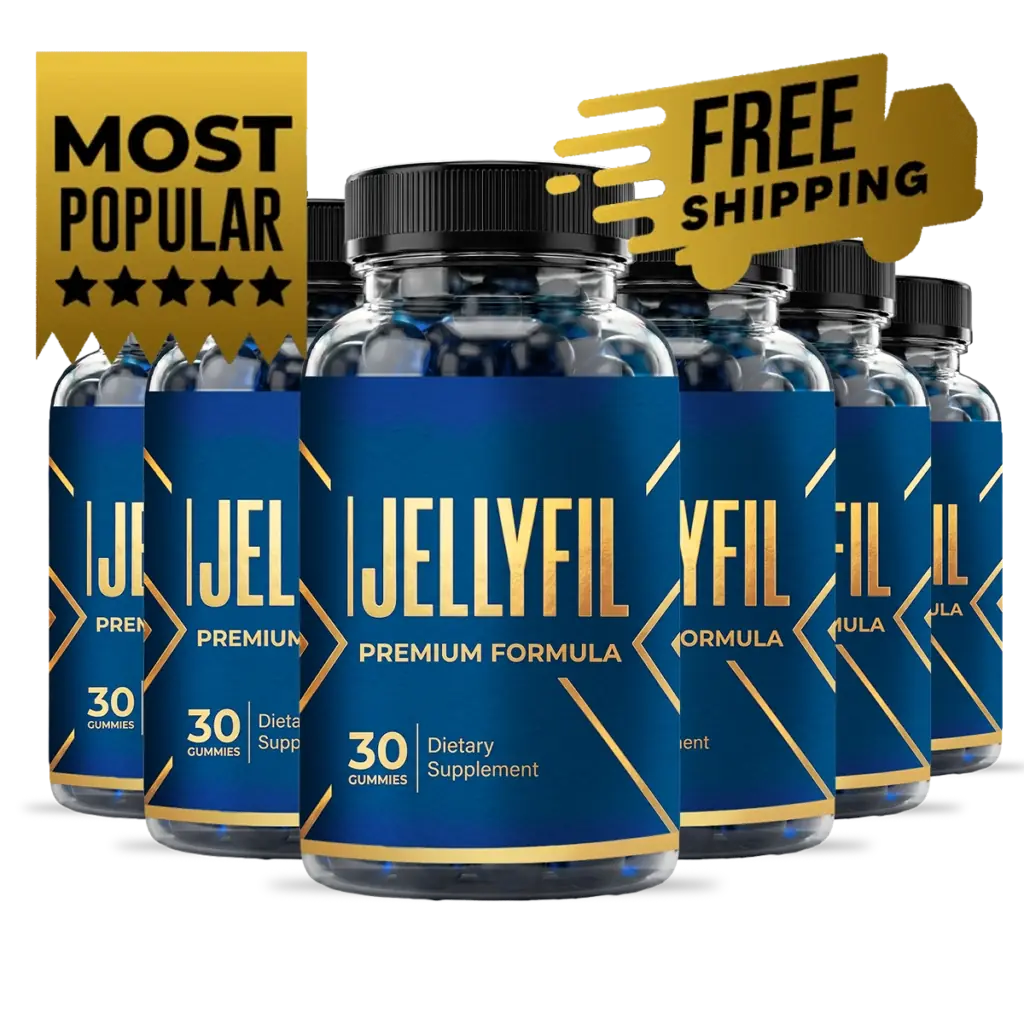
L-Arginine in the JellyFil Formula
Label only
Amino acid — individual amount not disclosed; part of a single 82 mg proprietary blend.
In one line: The most mechanically coherent claim in the formula, at roughly one fortieth of the studied amount.
Source note: this ingredient is declared on the product label but is not mentioned anywhere on the seller’s website. A buyer reading only the sales page would not know it is in the product.
Credited by name in the sales page benefits, absent from its ingredient list, and present on the label at a fraction of any studied amount.
What L-Arginine Is, Before the JellyFil Framing
L-arginine is a semi-essential amino acid — your body makes it, and you also get it from protein-rich foods including meat, dairy, nuts and seeds.
Its most discussed role is as the substrate for nitric oxide production. Nitric oxide is a signalling molecule that relaxes the smooth muscle in blood vessel walls, widening them and increasing blood flow. This is genuine, well-characterised physiology — the discovery of nitric oxide's role in the cardiovascular system won a Nobel Prize.
It is also the mechanism erectile dysfunction drugs act on, further downstream, which is why arginine appears in so many men's supplements.
What the L-Arginine Research Behind JellyFil Found
Real mechanism, mixed clinical results, and a well-known absorption problem.
Blood flow and blood pressure. Supplemental L-arginine has been shown to increase nitric oxide availability and produce modest reductions in blood pressure in some trials, particularly in people with existing endothelial dysfunction.
Erectile function. Some trials, often combining arginine with other compounds, have reported improvements in men with mild difficulties. Results are inconsistent.
Exercise performance. Results are largely unimpressive in trained individuals.
The bioavailability problem. Oral L-arginine is extensively broken down in the gut and liver before reaching circulation, which is why much modern research uses citrulline instead — it converts to arginine but survives first pass far better. Citrulline is not in this formula.
Amounts used: typically 3,000–6,000 mg a day, sometimes higher.
What L-Arginine's Inclusion Means in JellyFil
This is the starkest arithmetic on the whole site.
The sales page credits L-arginine with activating nitric oxide pathways to “open blood vessels and deliver more oxygen and nutrients to muscles, organs, and brain for peak output”. The mechanism described is real.
Research uses 3 to 6 grams a day. The entire blend is 82 milligrams. That is roughly one fortieth of the low end of the studied range — before eight other ingredients take their share. On an even split, L-arginine here would be about 10 mg, or one three-hundredth of a 3 g research dose.
To put it in food terms: a single egg contains several hundred milligrams of arginine, and a chicken breast contains a couple of grams. You get more L-arginine from breakfast than from this gummy, by a wide margin.
There is also the listing problem: L-arginine is credited in the sales page's benefits but does not appear in its ingredient list. It is on the label.
L-Arginine Safety in JellyFil
Generally safe as an amino acid, with interactions that matter at real doses.
- Blood pressure medication. L-arginine can lower blood pressure; effects may add together.
- Nitrates and PDE5 inhibitors. Anything acting on nitric oxide pathways deserves a conversation with your doctor if you take nitrates for angina or medication for erectile dysfunction.
- Herpes. Arginine has been suggested to promote herpes simplex replication; people with frequent outbreaks sometimes avoid supplemental arginine.
- Digestive upset is common at gram-scale doses.
- After a heart attack. One trial raised safety concerns about arginine supplementation in post-infarction patients.
At roughly 10 mg these concerns are largely theoretical — which is the same reason the benefits are.
The entire JellyFil blend is 82 mg, shared between nine ingredients
Unusually for this category, no estimate is needed here. The figure is printed on the Supplement Facts panel.
Proprietary Blend: 82 mg. That single number covers muira puama, maca, catuaba, green tea, caffeine, ashwagandha, L-arginine, tribulus and horny goat weed. Caffeine accounts for 5 mg of it, leaving roughly 77 mg shared between eight botanicals — about 10 mg each if divided evenly.
Because it is a proprietary blend, the split is not disclosed. One ingredient could be almost all of the 82 mg and the rest present in trace amounts.
The label's own counter-argument, and why it does not close the gap. The panel adds that 82 mg is “equivalent to approximately 567 mg of dry powders”, meaning concentrated extracts were used. Take that at face value and the even split becomes roughly 63 mg per ingredient — still far below every figure in the right-hand column. L-arginine in particular is studied in grams, and dry-powder equivalence is not the same thing as the standardised extract a trial used.
The honest conclusion: this is a very small amount of active material spread thinly. That is a structural feature of gummies rather than a scandal — a gummy is mostly sugar and pectin, and there is little room for anything else — but it is the fact that matters most when judging whether the formula can do what the page says.
How to read the research described on this JellyFil page
The studies referred to here examined individual ingredients on their own, at the amounts researchers chose — typically hundreds of milligrams, and for L-arginine, grams.
That research explains why an ingredient is of interest. It does not show that JellyFil reproduces those results. No clinical trial of this finished formula has been published, and the entire blend is 82 mg shared between nine ingredients, so the amounts here are far below the ones studied. Nothing on this site estimates the split inside the proprietary blend.
Related JellyFil Reading
The main ingredients page sets out both lists side by side, how JellyFil works explains the mechanisms the seller describes, and the benefits page checks each claim against the label.
JellyFil Safety Notes
JellyFil safety and sensible precautions
The label's own warning is the right starting point: if you are pregnant or nursing, take medication, or have a medical condition, consult a doctor before use, and stop if any adverse reaction occurs.
- It contains caffeine. Small, but declared — relevant if you are avoiding stimulants for a heart rhythm problem, anxiety, or on medical advice.
- Horny goat weed and blood thinners. Its active compound, icariin, has been reported to have antiplatelet effects. Raise it with a pharmacist if you take anticoagulants.
- Blood pressure medication. L-arginine is a nitric oxide precursor and can lower blood pressure; effects may add together. The amount here is very small, but the interaction is worth knowing.
- Nitrates and erectile dysfunction drugs. Anything acting on nitric oxide pathways deserves a conversation with your doctor if you take nitrates or PDE5 inhibitors.
- Ashwagandha and thyroid or autoimmune conditions. It can raise thyroid hormone levels and stimulate immune activity; there are also case reports of liver injury at higher intakes.
- Green tea extract and the liver. Concentrated extracts have been associated with rare liver injury, generally at far higher amounts than are plausible here.
- Hormone-sensitive conditions. Several ingredients here are marketed around testosterone. If you have a hormone-sensitive condition or take hormone therapy, take medical advice first.
- 3 g of added sugar per gummy — relevant if you manage blood sugar.
- Adults only. Not for anyone under 18, or pregnant or nursing.
JellyFil is a dietary supplement, not a medicine, and is not intended to diagnose, treat, cure or prevent any disease.
What JellyFil is not for
JellyFil is a dietary supplement, not a treatment for any medical condition. It is not a treatment for erectile dysfunction, low testosterone, infertility or prostate disease, and it is not intended to diagnose, treat, cure or prevent any disease.
This matters because the symptoms these products are marketed around often have real, identifiable and treatable causes. Persistent erectile difficulty is a recognised early warning sign of cardiovascular disease — the blood vessels involved are small and are affected first. It can also signal diabetes, low testosterone, thyroid problems, sleep apnoea, depression, or a side effect of medication.
Persistent fatigue likewise has causes worth finding: anaemia, thyroid disease, sleep apnoea, depression, diabetes and vitamin deficiencies among them.
A doctor can test for all of these. A gummy cannot, and buying six months of one instead of getting assessed is the genuinely risky version of this decision.
More JellyFil Ingredients
Considering JellyFil?
Read the ingredients page first. The product label and the seller's website describe two different formulas, only three ingredients appear on both, and the label declares caffeine in a product advertised as stimulant-free. Those are the facts that should shape the decision.
From $49 per bottle · 60-day money-back guarantee · One gummy a day